

Large Collections
Thousands of photographs, decades of newsletters, a cupboard of reels nobody has opened since the seventies. Churches, historical societies, small museums, care homes, and families whose collection outgrew the word collection. This is a different kind of job and it gets planned rather than quoted off a shelf.
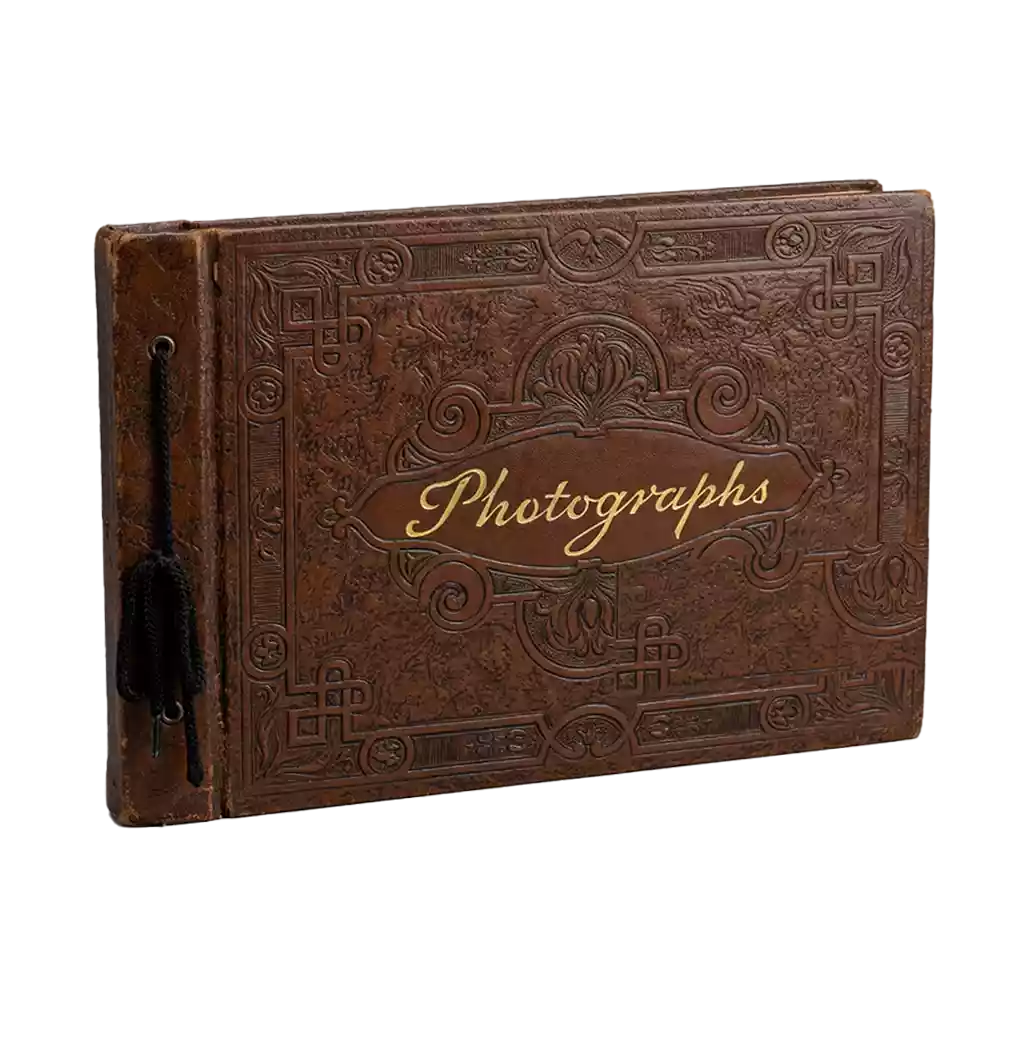
The First Job Is Deciding What Not to Do
Every large collection contains material that does not need digitizing. Duplicate prints, blurred frames, commercial recordings, minutes of meetings nobody will read again. Scanning all of it costs real money and buries the part that matters.
So the first thing I do with a big collection is go through it with whoever knows it, and separate what is genuinely irreplaceable from what merely exists. That conversation regularly cuts a job by a third and makes what is left far more useful.
After that it runs in stages, with a written plan and a written figure for each stage, so nobody has to approve an unknown number up front.
Organisations
Groups usually need two things a family does not: a figure that a board or a committee can approve before work starts, and a file structure somebody else can still navigate in ten years. Both are part of the plan rather than an extra.
Families with an archive
Past a certain size a family collection stops being a weekend and becomes a project. It is still the same work and the same prices, with the bulk rates applying, but it wants a plan and an order rather than being tipped in at one end.
Stage by stage
Nobody signs off the whole thing on faith. We agree the first stage, you see the results, and then you decide about the next one. If you stop after stage one you have still got something finished and useful.
How It Works
Drop-Off in Colwood
Use my online form to book a private drop-off time. This ensures I can review your items with you personally when you arrive.
Approve Estimate
Once I have your project, I don't just process it. I inspect the condition of every tape and page. If I find something that needs special attention, I’ll call you.
Enjoy and Share
You'll get a private link to everything, and a USB drive to keep if you want one. You can finally watch your memories on your phone, tablet, or TV.
What You Get at the End
Files named so a person can find things, in folders that follow the collection's own structure rather than mine. That sounds obvious and it is the single most common failure in bulk digitizing work: ten thousand files called scan_00001 are technically the collection and practically useless.
A written list of what was digitized and what was left, so there is a record of the decisions rather than a vague memory of them.
And every original back, in the order it arrived. Nothing is discarded, nothing is kept, and nothing is reorganised without being asked.
Questions People Ask
We need a figure before our board will approve anything.
That is normal and it is how I would rather work anyway. I will look at the collection, agree a scope with you, and give you a written figure for that scope that you can take to a meeting. If the board approves only part of it, that part is what gets done.
Do you offer a discount for volume?
Yes, and it is on the published rate card rather than negotiated in a back room. Photographs, slides, negatives, album pages, tapes and reels all have a lower rate once you pass a threshold, and a large collection passes all of them. You will see both numbers on your written estimate.
Can the material stay with us until you are ready for it?
Yes, and for a large collection that is usually better. We work out the stages, and I take one stage at a time rather than emptying your cupboard into my workshop for six months. Less disruption for you and less sitting around for the material.
Who else sees the material?
Nobody. I do the work myself in my own workshop and it is not sent anywhere. If your collection has material that needs a confidentiality agreement in writing, say so and I will sign one.
Start with a walk through the cupboard.
Get in touch and we will look at the collection together and work out what is actually in it. There is no charge for that, and it is the step that makes the rest cost less than you expect.